A steady light and a flashing light mean very different things. Here is how to read the difference and what a real diagnosis involves.
Steady versus flashing
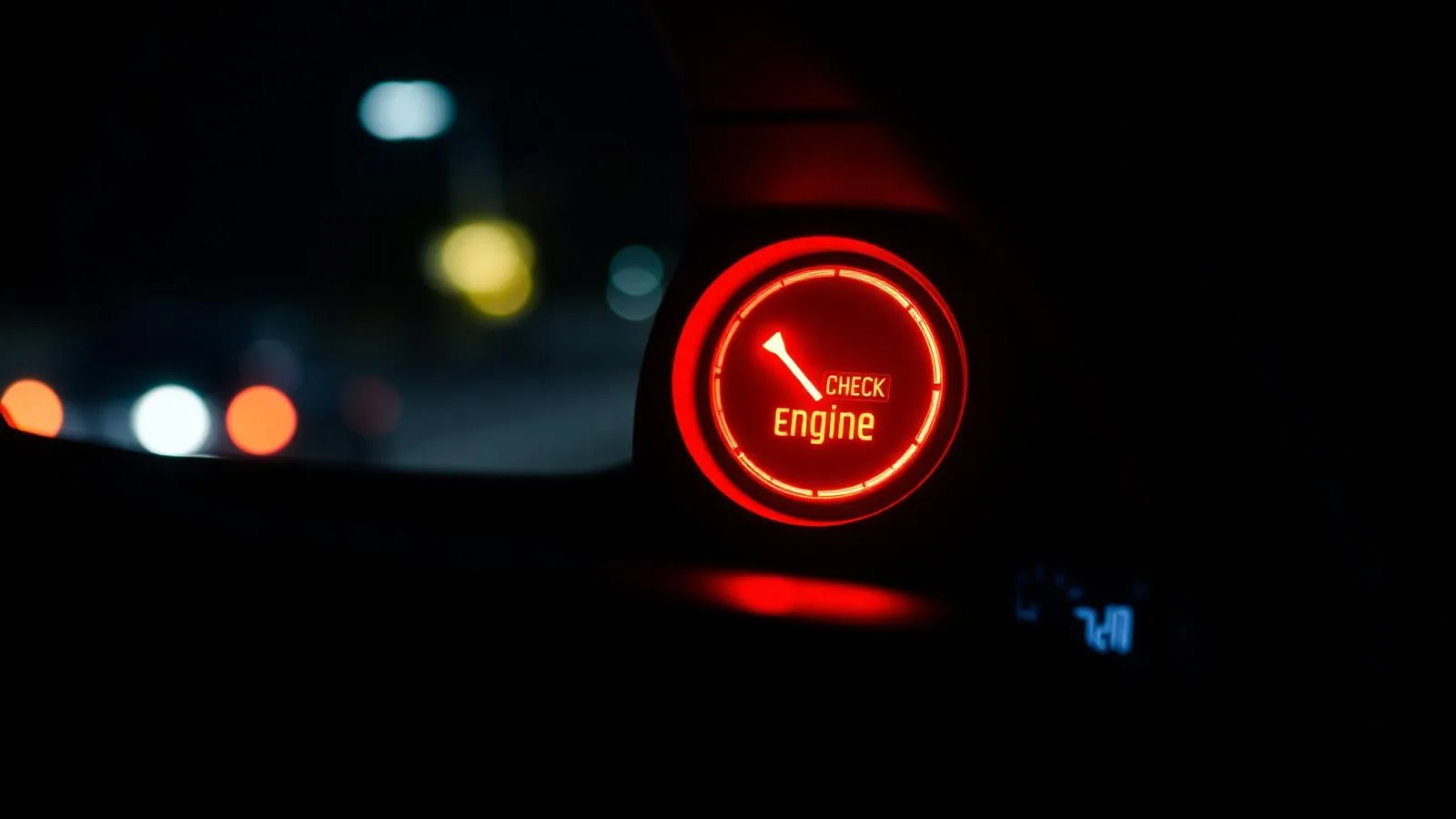
A steady check engine light means the computer stored a fault code and wants it looked at soon. You can usually keep driving, but do not ignore it for weeks.
A flashing light is different. It signals an active misfire dumping raw fuel into the exhaust, which can destroy a catalytic converter in minutes. Reduce speed, avoid heavy throttle, and get the vehicle to a shop right away.
Why a code is not a diagnosis
The free code read at a parts counter tells you which circuit reported a problem. It does not tell you why. A P0171 lean code can come from a vacuum leak, a failing mass airflow sensor, a weak fuel pump, or a clogged injector.
Replacing parts based on a code alone is how people spend six hundred dollars and still have the light on. Real diagnosis means live data, smoke testing, fuel trim analysis, and wiring checks.
What we actually do
We start with a full scan across every module, not just the engine controller. Then we look at freeze frame data to see the conditions when the fault set, and compare live sensor values against factory specifications.
From there we test the suspected component directly. You get a written explanation of the cause, the repair, and the cost before we touch anything.
Common causes we see in Vallejo
Loose or cracked fuel caps, failing oxygen sensors, ignition coils breaking down under load, evaporative emissions leaks from aged rubber lines, and dirty mass airflow sensors account for a large share of the lights we clear.
Most are affordable to fix early. The expensive repairs are almost always the ones that were ignored for six months.