The 3,000 mile rule is decades out of date. Here is how to find the interval your engine actually needs.
The 3,000 mile myth
The 3,000 mile oil change was good advice in 1985. Engines ran looser tolerances, oil chemistry was simpler, and filters clogged faster. Almost none of that is true of a vehicle built in the last two decades.
Modern full synthetic oils resist thermal breakdown far longer than conventional oil ever did. Most manufacturers now publish intervals between 5,000 and 10,000 miles, and some go further with an oil life monitor that watches how you actually drive.
Start with the manufacturer, then adjust
Your owner manual is the baseline. It lists a normal service interval and a severe service interval, and most drivers in the Vallejo area fall closer to severe than they think.
Severe service means short trips under ten minutes, stop and go traffic on I-80, towing, extended idling, or regular dusty conditions. If two or more describe your week, use the shorter interval.
What clean oil actually protects
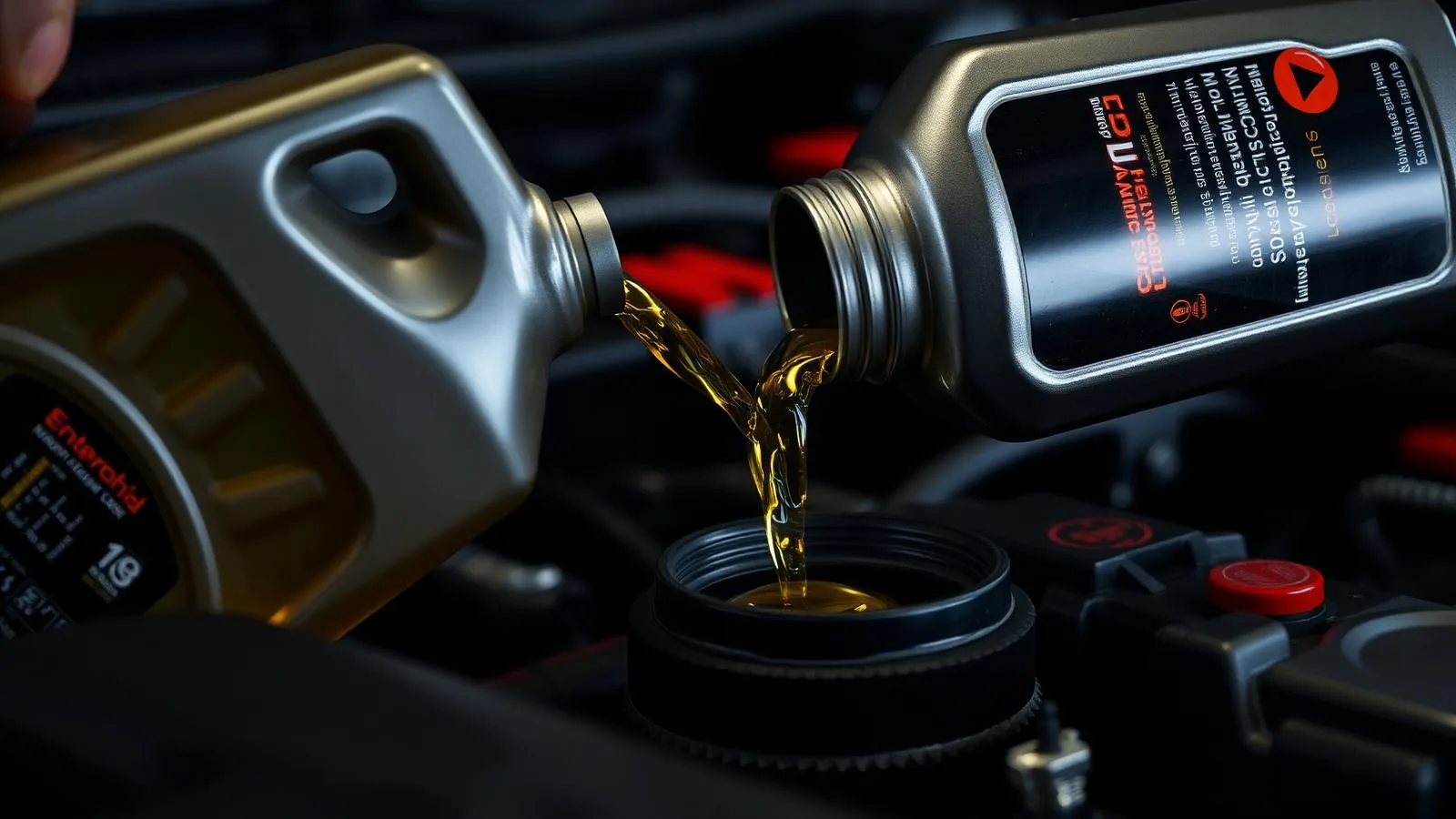
Oil does far more than lubricate. It carries heat away from the pistons, suspends combustion byproducts so they do not form sludge, and keeps variable valve timing solenoids and turbo bearings fed with clean pressurized fluid.
When oil gets old it thickens, loses additive package strength, and stops flowing quickly on cold starts, which is exactly when most engine wear happens.
Our recommendation
For most drivers on full synthetic we recommend 5,000 to 7,500 miles, with a multi point inspection at every service. That cadence catches leaks, worn belts, and low fluids long before they strand you.
Bring your vehicle in and we will pull the manufacturer schedule for your exact year, engine, and trim, then set an interval that fits how you actually drive.