Brakes rarely fail without warning. Learn the sounds, feels, and smells that mean it is time to book service.
Sounds you should never ignore
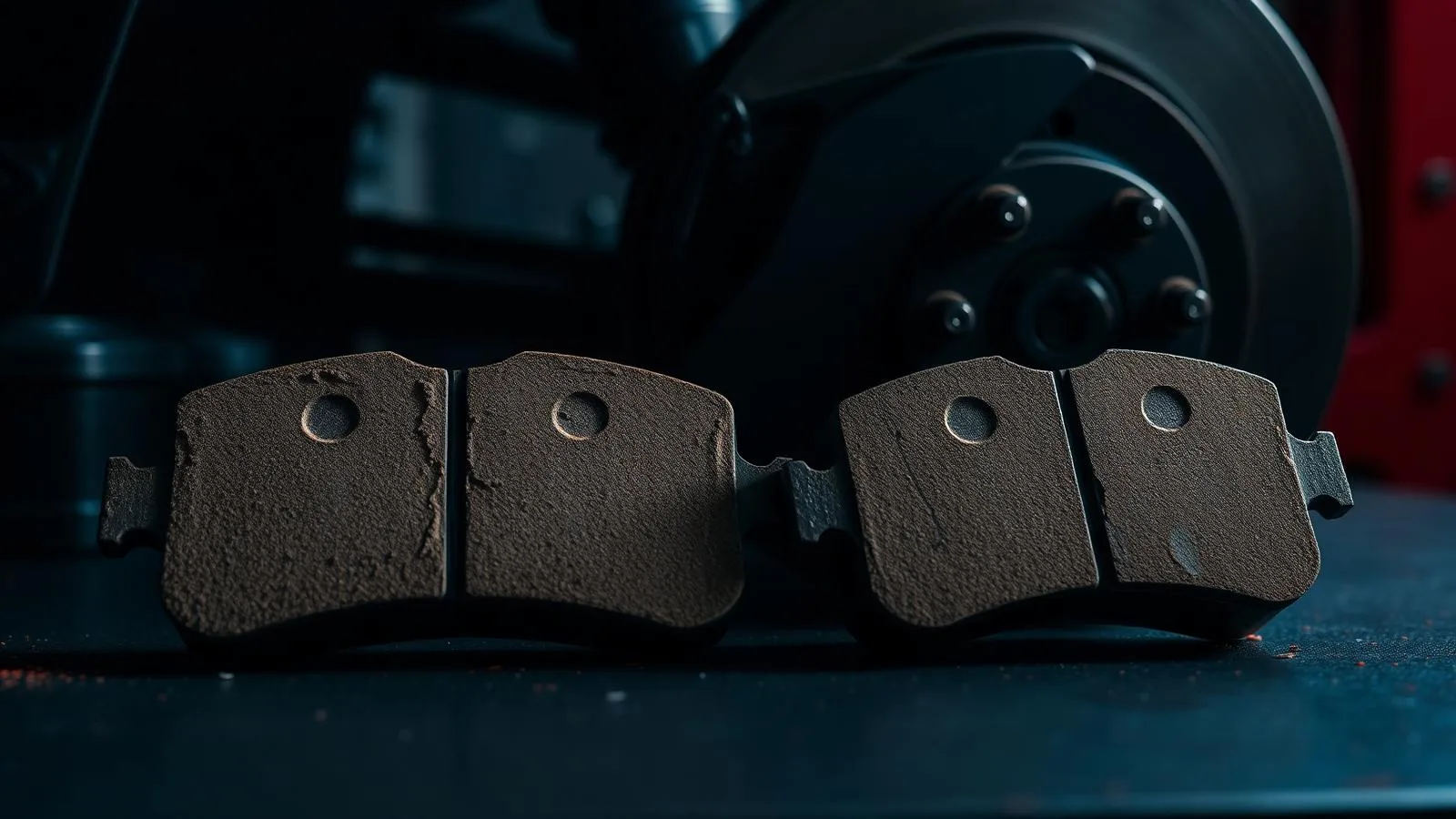
A high pitched squeal at low speed is usually the wear indicator, a small metal tab designed to make noise when pad material runs low. That is your early warning, and it is the cheapest time to act.
A deep grinding sound means the pad is gone and metal is cutting into the rotor. At that point you are replacing rotors too, and possibly a caliper.
How the pedal should feel
A firm pedal that sits high is healthy. A pedal that sinks slowly under steady foot pressure points to a fluid leak or a failing master cylinder, and that needs immediate attention.
Pulsing through the pedal or shaking in the steering wheel under braking usually means rotor thickness variation, often from heat or uneven pad transfer.
Pulling, smells, and warning lights
If the car veers to one side when you brake, a caliper may be sticking or a hose may be collapsing internally. Uneven braking force is a safety issue, not a comfort issue.
A sharp burning smell after a hill descent means the brakes are overheating. A brake warning light on the dash means low fluid or a hydraulic fault, and it should be diagnosed the same week.
Get it checked before it costs more
Brake inspections are quick and inexpensive. Catching worn pads early keeps you from paying for rotors, calipers, and a tow.
We measure pad thickness, rotor runout, and fluid condition on every service visit, and we send you photos so you can see exactly what we see.